Your website is either opening doors or quietly closing them. In 2026, the gap between businesses with modern, functional websites and those stuck in the past is wider than ever: and your customers can tell the difference in seconds.
The good news? You don’t need a massive budget or a complete overhaul to stay competitive. The trends shaping web design and SEO services for small business this year are less about flashy gimmicks and more about smart, intentional choices that actually drive results.
Let’s break down what’s working right now and what you need to prioritize.
Mobile-First Isn’t Optional Anymore
Here’s the reality: over 60% of your potential customers are browsing on their phones. If your website doesn’t work smoothly on mobile, you’re literally turning away more than half of your audience before they even read a word.
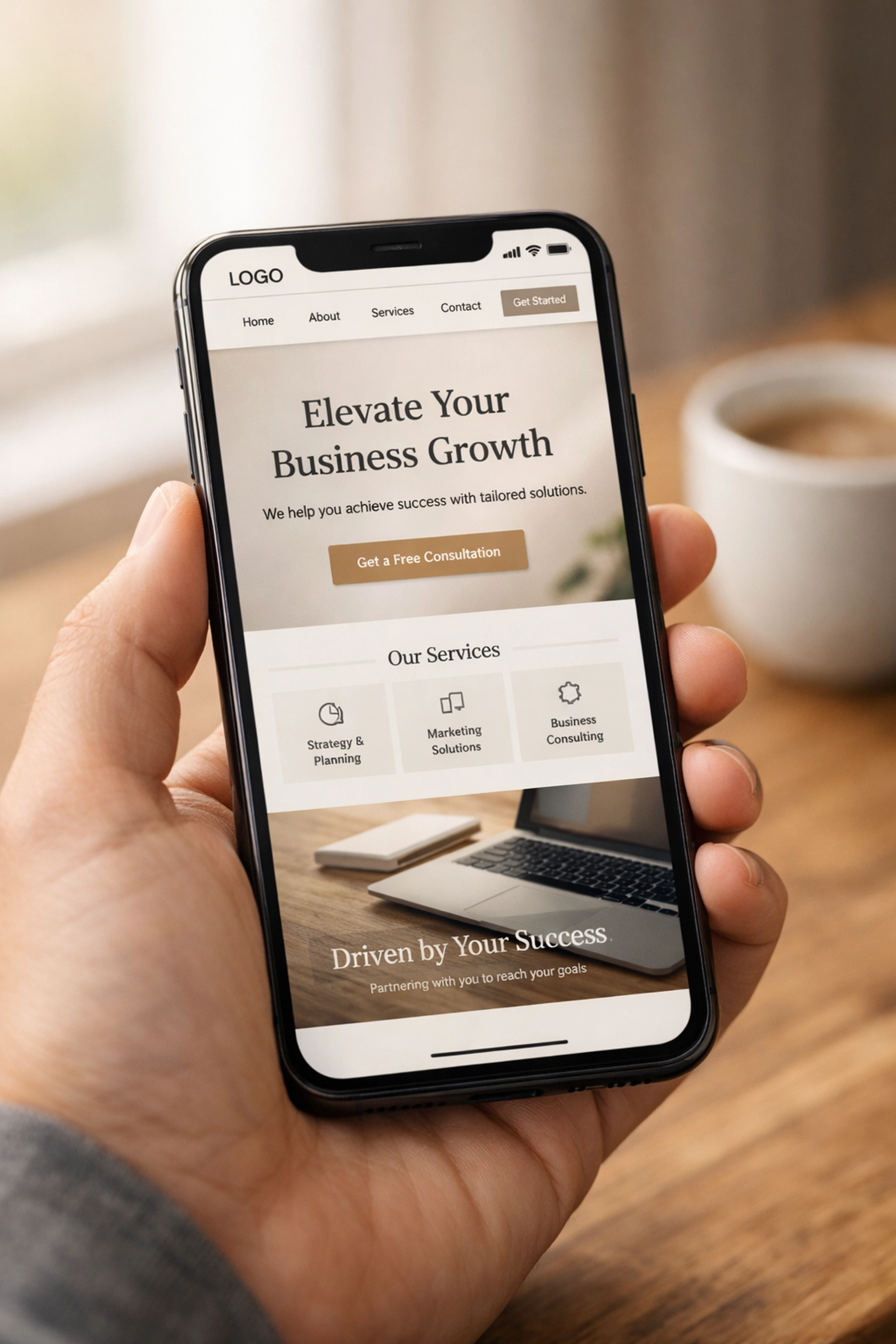
Mobile-first design means building your site with smartphones in mind first, not as an afterthought. Navigation should be thumb-friendly, text should be readable without zooming, and buttons need to be big enough to tap without frustration.
Think about the last time you landed on a clunky mobile site: you probably left within seconds. Your visitors do the same thing. Google knows this, which is why mobile performance directly impacts your search rankings. A mobile-friendly site isn’t just good small business web design; it’s essential SEO strategy.
Speed Is Everything
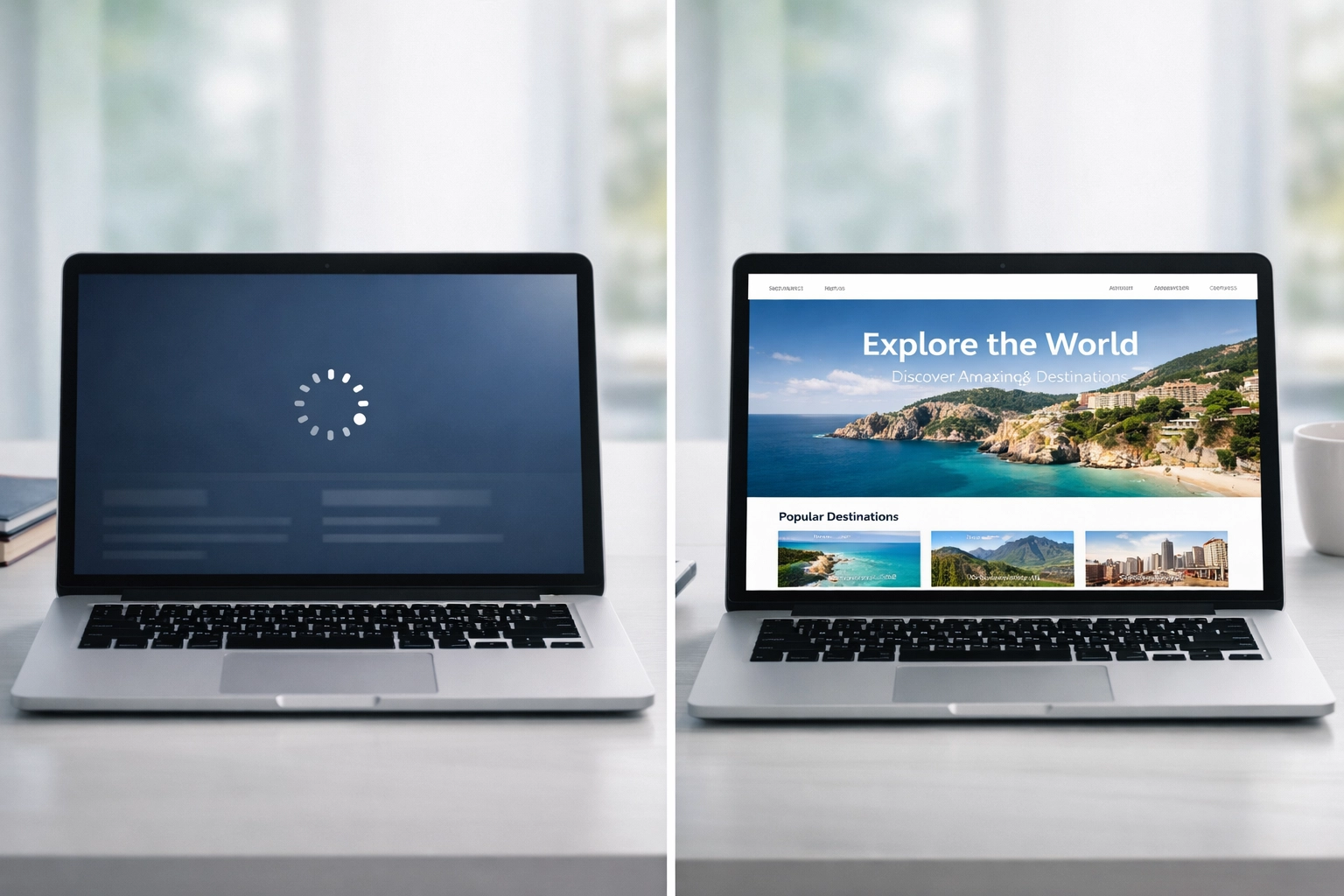
Your website has about three seconds to load before people bounce. That’s it. Three seconds.
Page speed affects everything: user experience, search rankings, and conversions. Slow sites kill trust and send visitors straight to your competitors. Fast sites keep people engaged and signal to search engines that you’re worth ranking.
The fix? Compress your images, clean up unnecessary code, choose quality hosting, and prioritize what loads first. If you’re working with a WordPress website design, there are dozens of plugins and tools that can help optimize performance without touching a line of code.
Speed optimization is one of those quick wins that compounds over time: it improves your bounce rate, your SEO, and your bottom line all at once.
Minimalist Layouts That Actually Convert
Cluttered websites overwhelm people. Clean, minimalist layouts do the opposite: they guide visitors exactly where you want them to go.
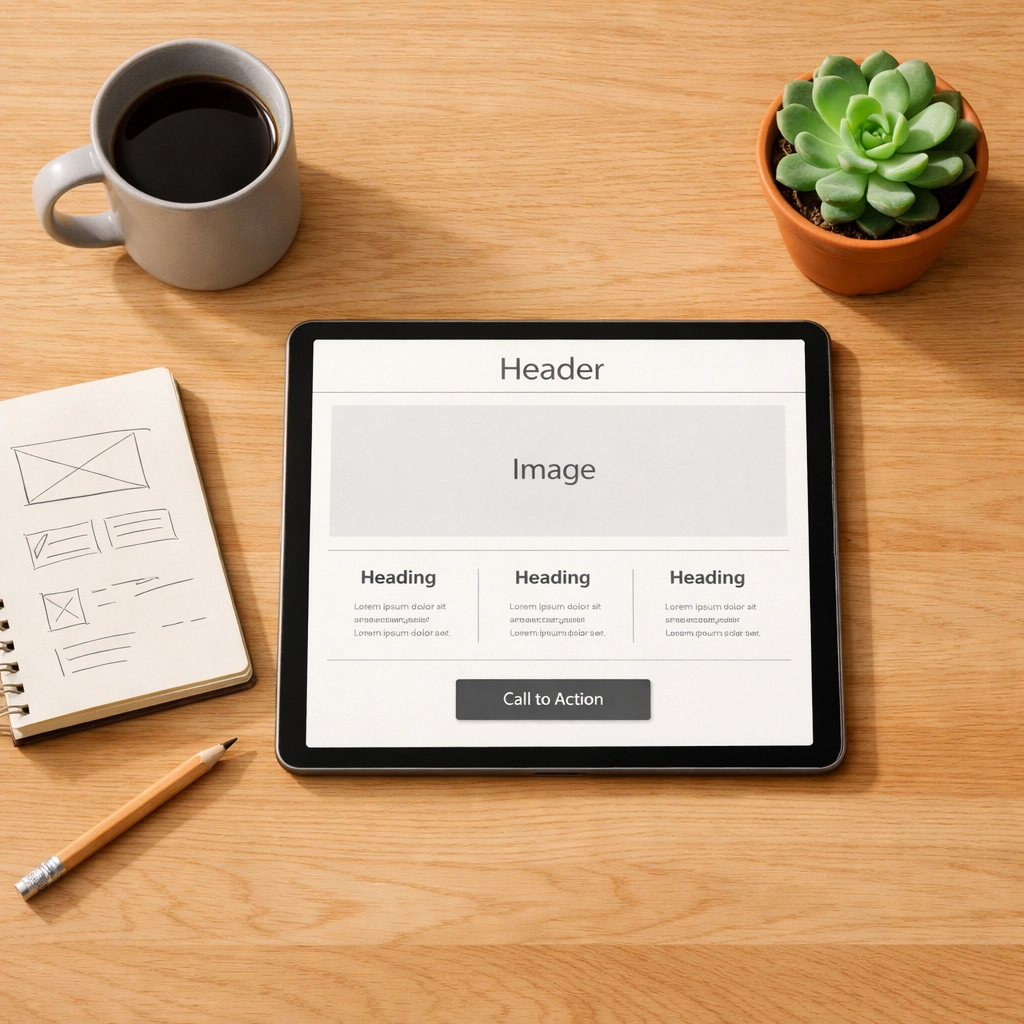
In 2026, the best-performing small business sites are embracing simplicity: plenty of white space, focused messaging, and clear calls-to-action. This isn’t about being boring: it’s about being effective. When people land on your site, they should immediately understand what you do and how to take the next step.
Minimalist design also loads faster, looks more professional, and reduces decision fatigue. Instead of bombarding visitors with every service and feature at once, give them a clear path. One primary message. One strong CTA. Let your content breathe.
Accessibility as Standard Practice
Web accessibility is no longer a “nice-to-have”: it’s a necessity. Making your site accessible means more people can use it, which broadens your audience and improves your search rankings at the same time.
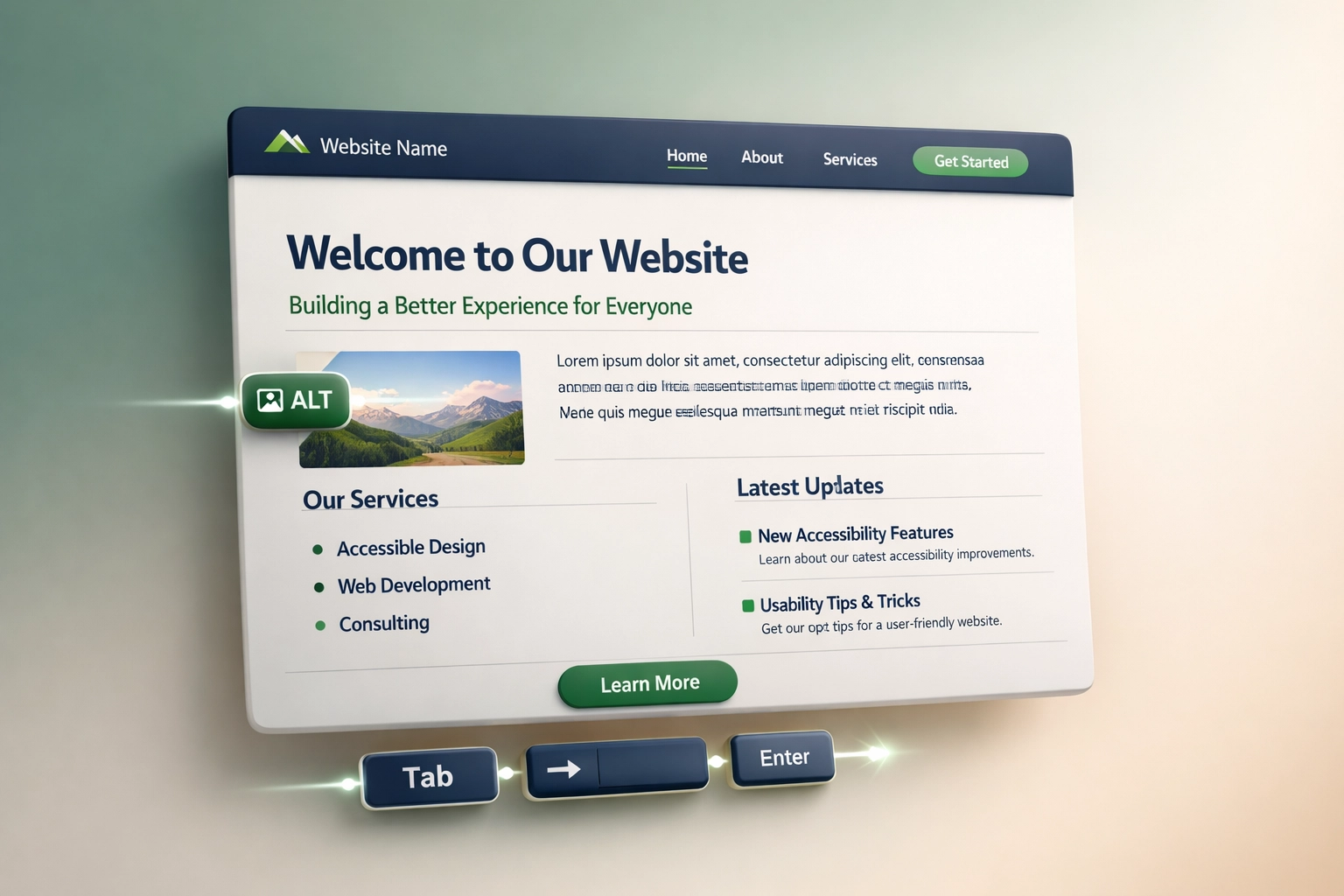
Accessible design includes proper color contrast, readable fonts, alt text for images, and keyboard navigation. These aren’t just checkboxes for compliance; they’re foundational elements that make your site better for everyone, not just users with disabilities.
Plus, search engines reward accessible sites. When you add descriptive alt text to images, you’re helping Google understand your content. When you structure headings properly, you’re making it easier for both users and search algorithms to navigate.
If you’re considering a website redesign, build accessibility in from the start. It’s much easier than retrofitting it later.
Local SEO Is Your Secret Weapon
For small businesses, local SEO services deliver some of the highest ROI you’ll find. Most of your customers are searching for solutions nearby, and if you’re not showing up in local results, you’re invisible.
Start with the basics: claim and optimize your Google Business Profile. Add accurate business information, post regular updates, respond to reviews, and upload quality photos. This one step alone can drive significant traffic without spending a dime on ads.
Then, make sure your website includes location-based keywords naturally. If you’re a bakery in Austin, phrases like “Austin bakery” or “best pastries in Austin” should appear in your content, page titles, and meta descriptions. Pair that with local backlinks: getting listed on community sites, local business directories, and partner websites: and you’ve built a strong local SEO foundation.
Local search is about visibility at the exact moment someone needs what you offer. It’s not flashy, but it works.
AI-Powered Personalization Without the Complexity
AI workflows are transforming how small businesses compete with larger companies. You can now offer personalized experiences: tailored content, smart recommendations, dynamic messaging: without hiring a development team.
Modern website builders and platforms come with built-in AI features that adapt to visitor behavior. Someone browsing your services page might see different calls-to-action than someone landing from a blog post. Returning visitors might get content based on what they’ve already viewed.
This level of personalization used to require expensive custom development. Now, it’s accessible to small businesses, and it makes a real difference in engagement and conversions. People stay longer, click more, and trust you faster when the experience feels relevant to them.
Micro-Interactions Make Sites Feel Alive
Micro-interactions are the small, subtle animations that happen when you interact with a website: a button changing color when you hover, a form field confirming your input, a menu smoothly sliding open.
These tiny details might seem insignificant, but they create a sense of responsiveness and polish. They make your site feel modern and intentional, not static and outdated. More importantly, they guide user behavior. A button that responds visually encourages clicks. A progress indicator reduces form abandonment.
Good micro-interactions are almost invisible: they enhance the experience without distracting from your message. If you’re working with a designer or investing in web design services, ask about adding these touches. They’re not complicated to implement, but they make a noticeable impact.
Trust Signals That Convert Visitors
In 2026, trust is everything. People are more cautious about where they spend their money, and your website needs to prove you’re legitimate from the first impression.
Trust signals include customer testimonials, case studies, recognizable client logos, security badges, and clear contact information. Display reviews prominently: don’t bury them at the bottom of a page. Show real photos of your team or your work. Be transparent about your process, pricing, and policies.
Reviews aren’t just social proof; they’re SEO fuel. Search engines recognize user-generated content as fresh, relevant, and trustworthy. Encourage satisfied customers to leave reviews on Google, and consider featuring testimonials directly on your site. Each review strengthens your credibility and improves your search visibility.
Video Content That Builds Connection
Short, focused videos outperform text when it comes to engagement. A 60-second video explaining what you do, showcasing a customer success story, or taking people behind the scenes builds trust faster than paragraphs of copy.
And here’s the thing: people watch videos with the sound off more often than you’d think. Always add captions. This makes your content accessible, improves comprehension, and ensures your message gets across even when someone’s scrolling on their phone in a quiet space.
Video doesn’t have to be expensive or overly produced. Authenticity often converts better than polish. A genuine testimonial shot on a phone can be more powerful than a slick promotional video if it feels real.
Start With What Matters Most
You don’t have to implement every trend at once. In fact, you shouldn’t. Start with the fundamentals: make sure your site is mobile-friendly, fast, and easy to navigate. Get your local SEO dialed in. Add trust signals. Clean up your design.
Once those foundations are solid, you can layer in personalization, micro-interactions, and video content. Quick wins like compressing images, fixing broken links, and updating outdated content can happen anytime: they’re low-effort, high-impact moves that improve your site immediately.
If your site feels outdated or isn’t performing the way you need it to, a strategic website redesign might be the right move. But even if a full redesign isn’t in the cards right now, smart updates and consistent website maintenance keep you competitive.
The trends shaping 2026 aren’t about chasing the latest gimmick. They’re about creating websites that work: sites that load fast, look professional, build trust, and guide visitors toward action. That’s what drives results for small businesses, and that’s what keeps customers coming back.
Your website should work as hard as you do. Make sure it’s built to perform.