
You’ve probably noticed it by now, Google looks different in 2026. That clean list of blue links? It’s still there, but it’s been pushed down by something bigger: AI Overviews. Instead of clicking through ten different sites to answer “best coffee shops near Round Rock” or “how to winterize your Austin business,” Google now serves up a synthesized answer right at the top, complete with citations and follow-up questions.
For Central Texas businesses, this shift changes everything about how you show up in search. The old playbook, stuff some keywords, build some backlinks, hope for the best, doesn’t cut it anymore. Google’s AI is reading your content like a human would, looking for authority, clarity, and actual answers.
If you’re not optimizing for AI Overviews, you’re basically invisible to a huge chunk of your potential customers.
What Actually Happened to Search in 2026
Let’s back up. AI Overviews (the evolution of what Google used to call SGE) rolled out fully in late 2024 and matured through 2025. By 2026, they’re the default experience for most informational and commercial searches. When someone asks Google a question, especially location-specific ones like “AC repair companies in Cedar Park”, the AI pulls from dozens of sources, synthesizes the information, and delivers a concise answer.
The kicker? Google cites its sources. If your business gets cited in that AI Overview, you get visibility and credibility. If you don’t, you’re buried beneath the fold where most people never scroll.
This isn’t about gaming the system. It’s about structuring your content so Google’s AI actually understands what you do, where you do it, and why you’re worth citing.

The Atomic Answer Framework: Your New Best Friend
Here’s where things get practical. The Atomic Answer approach is simple: give Google exactly what it’s looking for in the format it prefers.
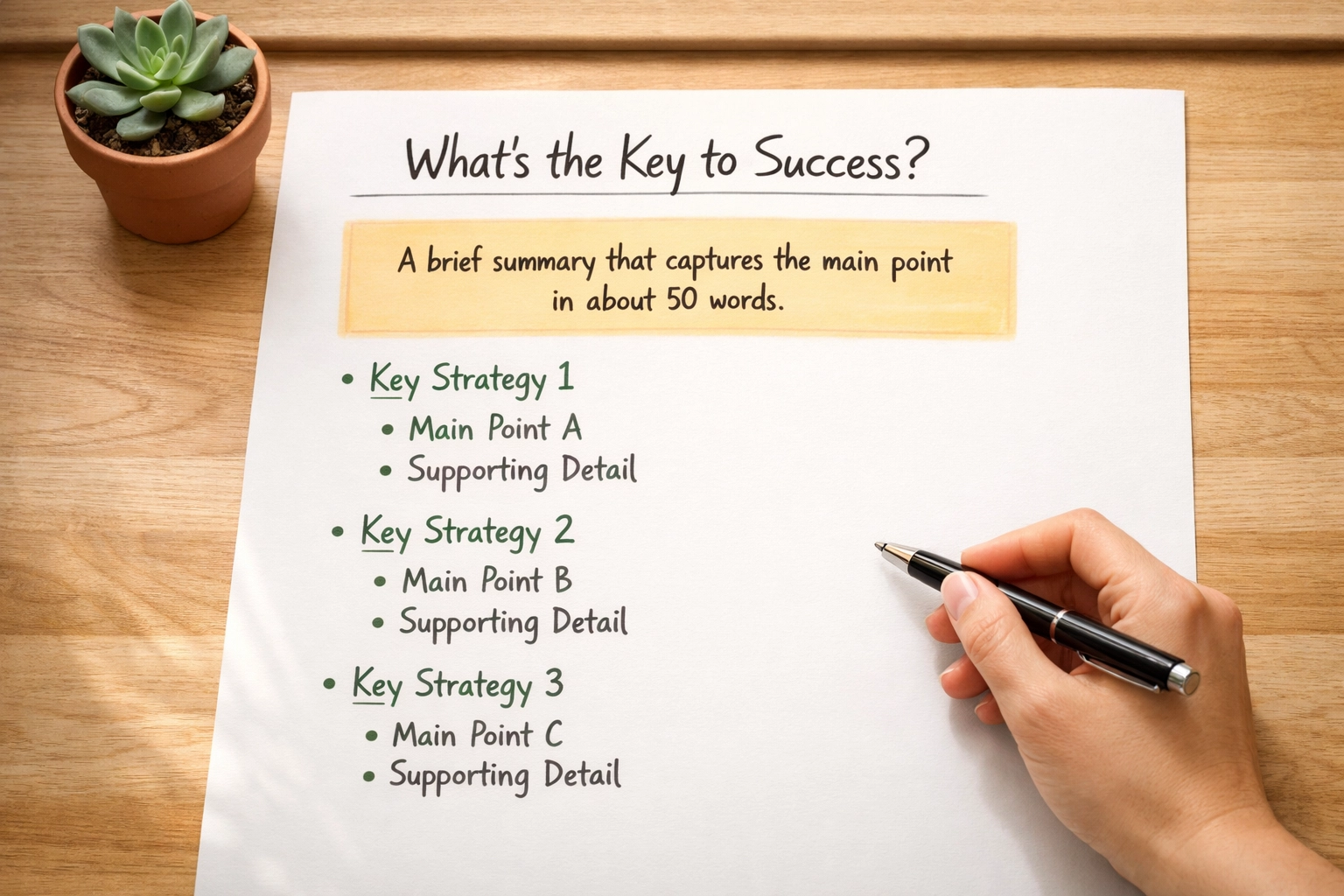
Start with question-based headings that mirror how real people search. Not “Our HVAC Services” but “What’s the Average Cost to Replace an AC Unit in Austin?” Beneath that heading, place a 50-word summary that answers the question directly and completely. Think of it as the TL;DR version, short, clear, no fluff.
Then, expand with detail. Explain the factors that affect pricing, break down typical cost ranges, mention seasonal considerations for Central Texas heat. The AI reads the summary for quick citation, but the depth signals authority.
This structure works because it matches how Google’s AI processes information. It’s looking for digestible chunks it can confidently cite, not walls of text it has to interpret.
Why Entity-Based Content Beats Keyword Stuffing
You know those old SEO tactics where you’d shove “Austin web design” into every other sentence? Yeah, Google’s AI sees right through that now.
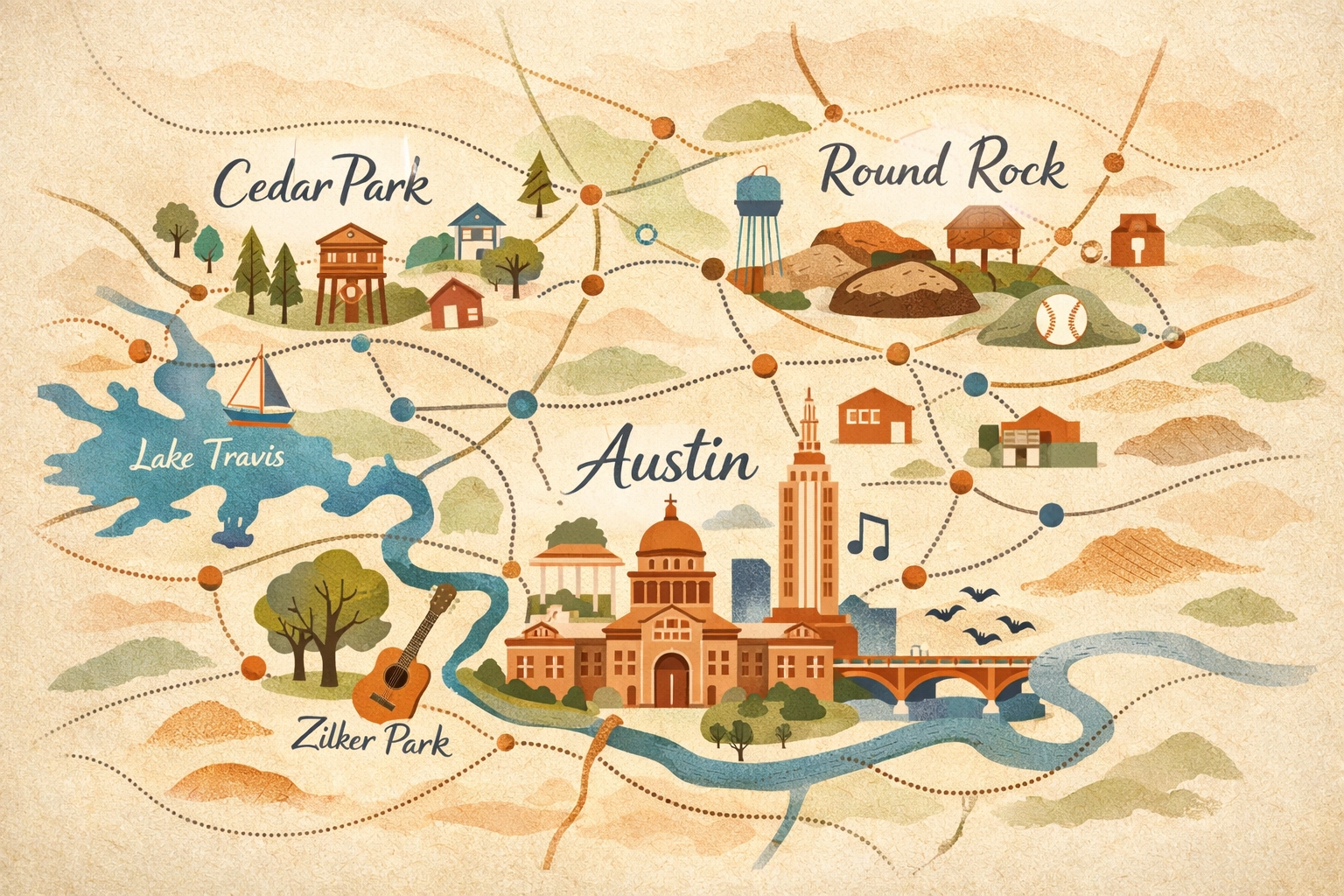
Instead, focus on entities: the people, places, things, and concepts that relate to your topic. If you’re a local landscaping company, your content should naturally reference neighborhoods like Hyde Park or Mueller, landmarks like Zilker Park, regional challenges like clay soil and drought conditions, and local regulations around water usage.
This builds what Google calls “topical authority.” The AI recognizes that you’re not just mentioning Austin because it’s a keyword: you actually understand the local context. You’re embedded in the community. That’s the kind of source the AI wants to cite.
For Central Texas businesses, this is huge. You’re not competing with national brands on generic terms. You’re establishing yourself as the local expert who understands the specific needs, challenges, and opportunities of this market.
Structured Data: The Secret Handshake with Google
If you want Google’s AI to understand your business, you need to speak its language. That language is structured data: clean, organized information that tells Google exactly what you offer, where you’re located, and what makes you credible.
Add LocalBusiness schema to your website. Include your NAP (name, address, phone) consistently across your site and directories. Use FAQ schema for common questions. Create comparison tables for service packages or product features.
This isn’t technical wizardry. Most modern websites built on platforms like WordPress make this easy with plugins. But the impact is massive. Structured data gives the AI confidence in citing you because it can verify your information across multiple sources.
Think of it like this: if Google’s AI is trying to answer “Which web design companies serve Round Rock?” and your site clearly states your service area in structured data while your competitor’s site just mentions it in a paragraph, guess who gets cited?
Conversational Keywords and Search Intent
People don’t search like robots anymore: they never really did, but now Google’s AI actually understands that. When someone types “how do I get more customers for my Cedar Park restaurant,” they’re not looking for a blog post about general marketing theory. They want specific, actionable advice relevant to their location and industry.
Your content needs to match that search intent. Use conversational phrases. Write like you’re answering a friend’s question over coffee at Halcyon. Be specific about Central Texas challenges and opportunities.
For how-to queries, use step-by-step formats. For comparison queries (like “WordPress vs. Squarespace for small businesses”), use tables and side-by-side breakdowns. For pain-point queries (“why isn’t my website getting traffic”), structure your content around problem-solution patterns.
Google’s AI adapts based on the type of question being asked. When your content structure matches the query type, you dramatically increase your chances of citation.
Building Authority Through Information Gain
Here’s something most businesses miss: original insights actually matter now. Google’s AI is trained to identify and prioritize content that offers something new: what they call “information gain.”
This doesn’t mean you need a research department. It means sharing your real experience. If you’ve worked with 50 Austin startups on their websites, share what you’ve learned about their common challenges. If you’re a local contractor, talk about the specific building codes in Williamson County that homeowners need to know.
Proprietary data, case studies, local expertise: these are gold. The AI recognizes when you’re offering unique value versus just rehashing information that’s already out there.
This is where being a small, local business becomes an advantage. You have insights that national companies don’t. You understand nuances that generic content factories can’t replicate. Use that.
Citation Velocity and Community Presence
Getting cited in AI Overviews isn’t just about your website. It’s about your digital footprint across the Central Texas business community.
Are you mentioned in local news articles? Do you contribute to community forums or local business groups? Are you listed in legitimate directories specific to Austin or Round Rock? Do industry-specific sites reference your expertise?
Google’s AI weighs these signals when determining authority. Consistent brand mentions across reputable platforms tell the AI that you’re a trusted source within your community and industry.
This is why being active in your local business ecosystem matters more than ever. Sponsor a community event. Contribute a guest post to a local business blog. Get interviewed for a local podcast. These activities create digital breadmarks that the AI follows back to you.

What This Means for Your Central Texas Business
Look, I get it. This probably sounds like a lot. But here’s the reality: optimizing for AI Overviews isn’t about doing a hundred new things. It’s about doing what you’re already doing differently.
Write your service pages as answers to questions your customers actually ask. Structure your content clearly with summaries and details. Add proper structured data to your website. Build your local authority through genuine community involvement.
The businesses that win in 2026 and beyond aren’t the ones with the biggest SEO budgets. They’re the ones that show up as credible, clear, local experts when Google’s AI goes looking for answers.
In a market as competitive as Central Texas: where Austin, Round Rock, and Cedar Park are packed with talented businesses: this kind of visibility makes the difference between thriving and barely surviving.
The game changed. Time to change with it.
If you’re running a Central Texas business and this all feels overwhelming, you’re not alone. Most business owners didn’t sign up to become SEO experts. They signed up to serve their customers and build something meaningful. That’s where we come in at Smallworks Web Design: we help local businesses show up in search without turning into full-time marketers.