
You have spent years building a following on social media, posting every day and meticulously crafting the perfect reels. But lately, it feels like you are shouting into a void. Reach is down, algorithms are changing overnight, and the platforms you once relied on for steady business are now asking you to “pay to play” just to reach the people who already follow you.
It is a frustrating reality: if you rely solely on social media or third-party platforms to connect with your customers, you are essentially renting your audience. And as any small business owner knows, when the landlord decides to change the rules: or the locks: you are the one left out in the cold.
As we move through 2026, the digital landscape has shifted dramatically. The era of tracking users with third-party cookies is effectively over, and privacy regulations have made it harder than ever to find your “ideal customer” through traditional ads. The solution? It is time to stop renting and start owning. By focusing on first-party data and building a robust email list through your own website, you can create a marketing engine that you control entirely.
The “Rented Land” Trap and Why It’s Fading
Think of your social media followers like guests in a hotel. You can interact with them while they are there, but you don’t own the room, and the hotel manager can kick everyone out or change the entrance fees whenever they like. In 2026, many small businesses are finding that the “rent” on these platforms has become too high: not just in terms of money, but in the loss of direct access to their customers.
The decline of third-party cookies means that the “stalker ads” of the past are gone. You can no longer rely on big tech companies to track your customers across the web and deliver them back to you. This shift has made first-party data: information that your customers give you directly: the most valuable asset in your business.

Why First-Party Data is the New Gold
First-party data includes things like email addresses, phone numbers, purchase history, and even the specific interests people share when they fill out a form on your site. Unlike a “like” on a post, an email address is a direct line of communication that nobody can take away from you.
When you own your data, you gain:
- Direct Access: No algorithm stands between you and your customer’s inbox.
- Better Personalization: You can send content that actually matters to them based on their previous interactions with your web design.
- Long-Term Stability: Even if a social platform disappears tomorrow, your list remains.
If you want to know if your current strategy is holding up, it might be time to ask: is your website redesign worth it? The truth is, if it isn’t helping you capture this data, it’s not doing its job.
Your Website: The Command Center for Ownership
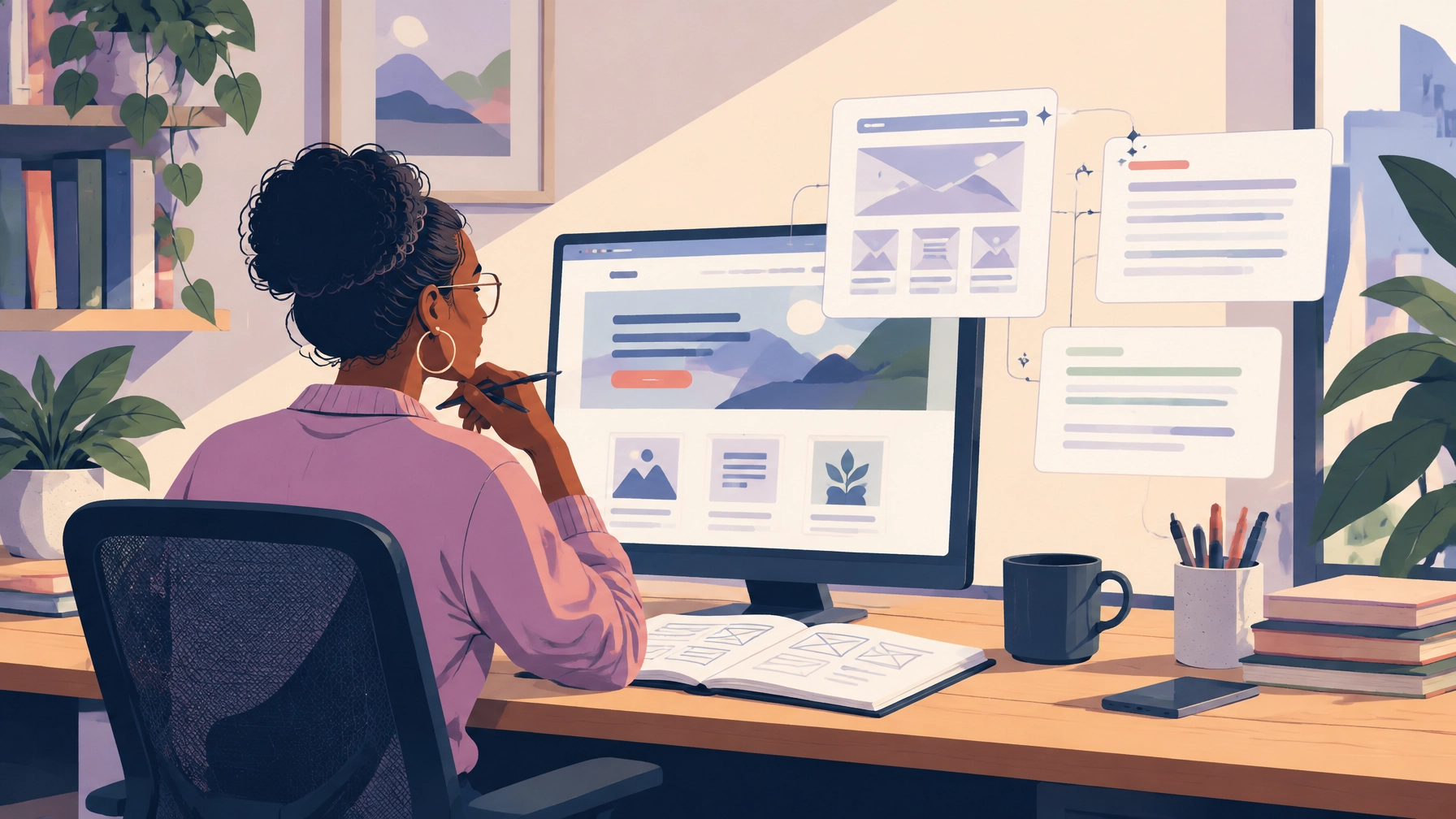
Your website should be more than just a digital brochure; it needs to be a 24/7 marketing machine. In 2026, the best small business web design focuses on conversion architecture: the art of guiding a visitor from “just looking” to “let’s stay in touch.”
To do this effectively, your site needs to feel like a home, not a billboard. It should be a place where visitors feel comfortable sharing their information because they trust the value you provide. This is where professional web design services become essential. A cluttered, slow, or confusing site will send people running back to the “safety” of their social media feeds.

Strategic Lead Capture: Turning Visitors into Fans
You cannot simply slap a “Sign Up for My Newsletter” box in the footer and expect results. In 2026, consumers are protective of their data. You need to offer a value exchange.
Imagine you are a local service provider. Instead of a generic sign-up, you could offer a “Homeowner’s Maintenance Checklist for 2026” or a “Startup Guide to Digital Scalability.” These are known as lead magnets, and they are the keys to unlocking your audience’s contact information.
Here are a few practical tips for capturing leads on your site:
- Use Intent-Based Pop-ups: Show an offer when someone is about to leave the page or after they have read a certain percentage of a blog post.
- Interactive Quizzes: People love learning about themselves. A “What’s Your Interior Design Style?” quiz is a goldmine for zero-party data.
- Exclusive Content: Offer “member-only” deep dives or early access to new services.
When we look at 7 small business web design trends that’ll dominate 2026, lead capture and user experience are at the very top of the list.
The 24/7 Marketing Machine: Why Email Still Reigns
Once you have the email, the real work begins. Your email list is your most powerful tool for building trust. In a world of AI-generated noise, a personal, human-centric email stands out. It allows you to nurture relationships over time, so when a customer is finally ready to buy, you are the only choice they consider.
Don’t just blast your list with sales pitches. Use your emails to share:
- Behind-the-scenes stories of your business.
- Expert advice that solves a specific problem for your readers.
- Case studies that show your work in action.
This approach transforms your marketing from a series of “asks” into a consistent stream of value.
SEO: The Engine of Discovery
Of course, you need people to find your website before you can capture their lead. This is where SEO services for small business come into play. But SEO in 2026 isn’t just about keywords; it’s about authority.
With the rise of AI search, Google and other engines are looking for “human-first” content: articles written by people with real-world experience. By creating in-depth guides and answering the specific questions your customers are asking, you ensure that your site shows up not just in search results, but in AI-generated answers.

If you are wondering how to navigate these changes, our guide on how to show up in Google’s AI Overviews is a great place to start. It focuses on the technical and content-driven steps needed to stay visible in this new era of search.
How Smallworks Web Design Can Help You Own Your Future
Building a system that captures, nurtures, and converts leads isn’t something that happens by accident. It requires a strategic blend of modern web design, technical SEO, and a deep understanding of your customer’s journey.
At Smallworks Web Design, we specialize in helping small businesses and startups move away from “rented” audiences. We don’t just build websites; we build assets. Whether you need a full website redesign or targeted SEO services, we focus on the metrics that actually matter: like how many leads you own at the end of the day.

Take Control of Your Growth
The digital world will continue to change. Algorithms will rise and fall, and new social platforms will come and go: but the relationship you have with your audience is yours to keep. By investing in your own platform today, you are future-proofing your business against whatever 2027 and beyond might bring.
Are you ready to stop shouting into the void and start building a real connection with your customers? Let’s make 2026 the year you finally take ownership of your digital presence.