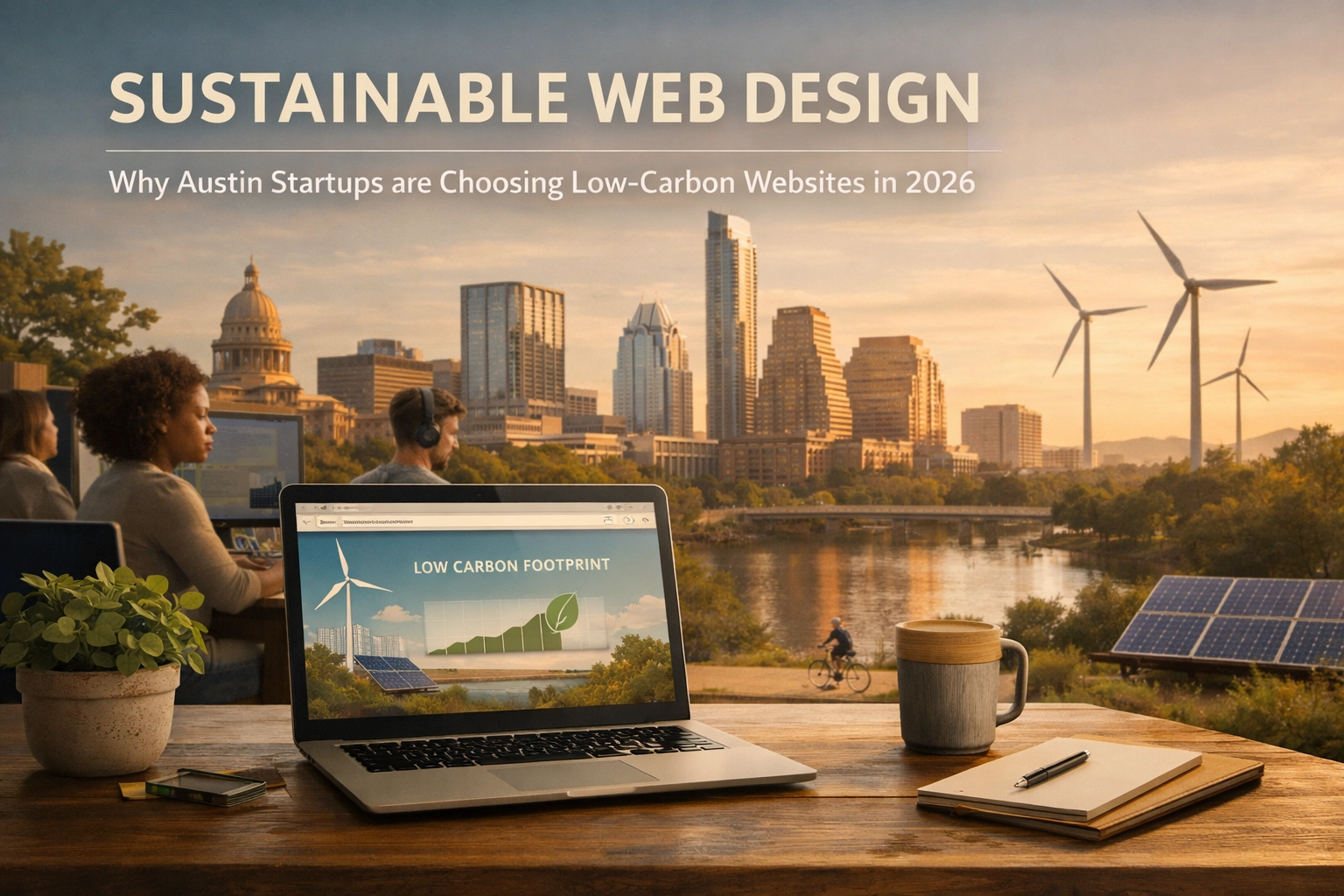
You’ve probably noticed it around Austin: the solar panels on South Congress shops, the compost bins at every food truck, the electric scooters lining Rainey Street. Our city doesn’t just talk about sustainability; we live it. So why should your website be any different?
If you’re running a startup in Austin in 2026, your digital presence needs to align with the values your customers expect. And increasingly, those customers are asking questions about everything: including the carbon footprint of the websites they visit. Sustainable web design isn’t just some Silicon Valley buzzword anymore. It’s a competitive advantage, an SEO signal, and honestly? It’s just good business.
What Actually Is Sustainable Web Design?
Before we dive into the “why,” let’s clarify the “what.” Sustainable web design: sometimes called low-carbon web design or green web development: focuses on building websites that consume less energy to load, store, and display.
Every time someone visits your website, data travels from a server to their device. That process uses electricity. Multiply that by thousands of visitors, and suddenly your website has a carbon footprint. A lean, efficiently-coded website hosted on renewable-energy servers? That footprint shrinks dramatically.
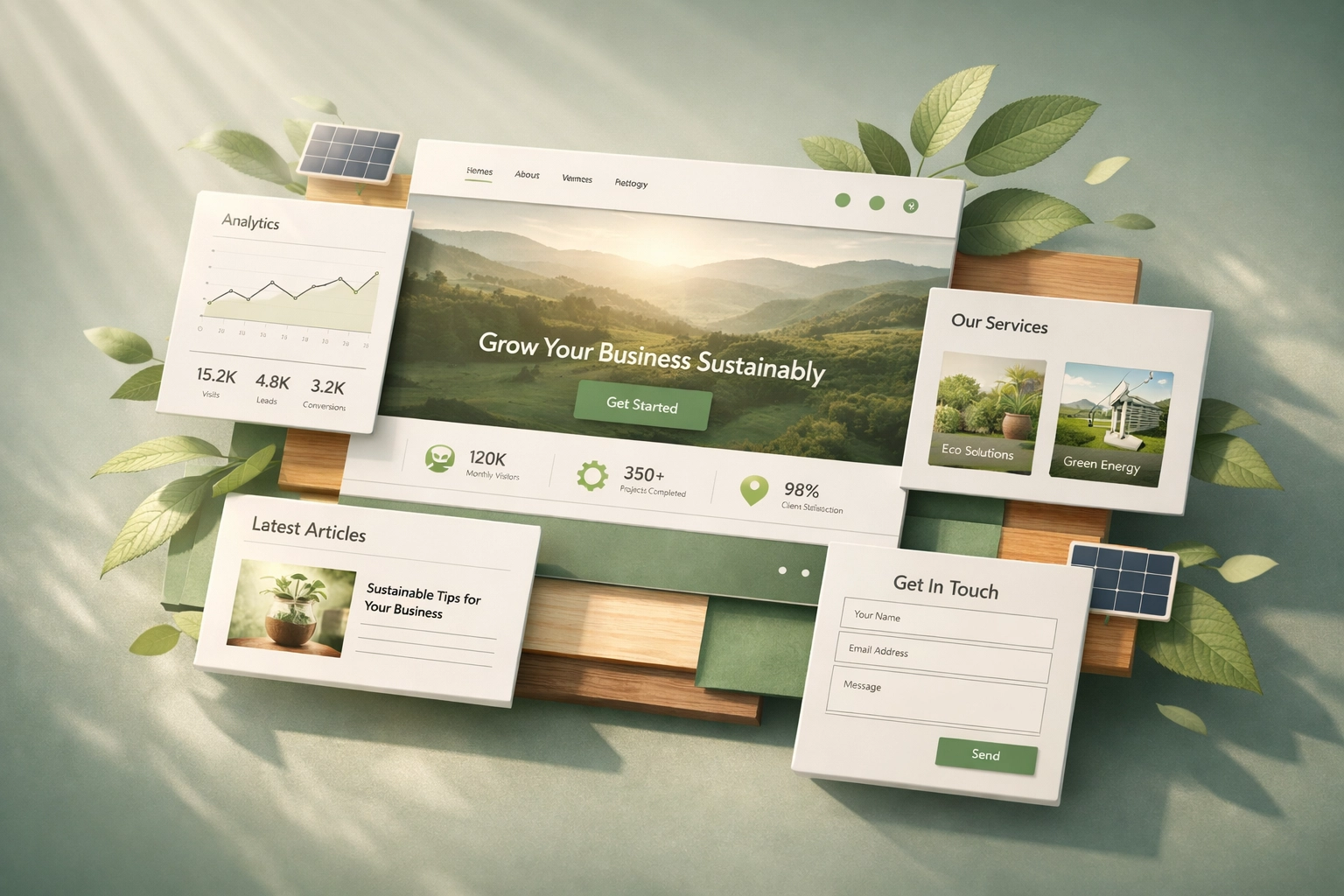
Think of it like this: a bloated website with massive unoptimized images and unnecessary code is like driving a gas-guzzling SUV to pick up coffee two blocks away. A sustainable website is the e-bike that gets you there faster, cleaner, and without the guilt.
Why Austin Startups Are Leading the Charge
Austin has always been ahead of the curve when it comes to innovation and environmental consciousness. We’re the city that banned plastic bags before it was cool, that built green buildings into our skyline, and that turned “Keep Austin Weird” into a sustainability mantra.
Your customers expect you to care about the same things they do. And in 2026, that includes digital sustainability.
But here’s the thing: Austin startups aren’t just doing this because it feels good. They’re doing it because sustainable web design delivers tangible business benefits that directly impact the bottom line.
Speed Equals Money
Low-carbon websites are, by design, lightning-fast. When you optimize images, streamline code, and eliminate unnecessary bloat, your site loads in milliseconds instead of seconds.
And speed matters. Studies show that even a one-second delay in page load time can tank your conversion rates by 7%. For an e-commerce startup pulling in $100,000 a month, that’s $7,000 walking out the door because your homepage took too long to load.
Your visitors aren’t patient. They’re comparing you to every other lightning-fast experience they have online. A sustainable website gives them the speed they demand while using less energy in the process. Win-win.

Google Rewards Green Hosting
Here’s something most people don’t realize yet: Google is factoring sustainability into its ranking algorithm. Not overtly, not with a giant “green badge” next to your listing (yet), but through the signals that matter: speed, performance, user experience, and increasingly, hosting infrastructure.
Green hosting providers: those running on renewable energy: are becoming easier for search engines to identify. And while Google hasn’t officially confirmed “green hosting” as a direct ranking factor, the writing’s on the wall. Sites that load faster, consume less data, and demonstrate efficiency are getting preferential treatment.
Think about Google’s own commitments. They’ve pledged to run on carbon-free energy 24/7 by 2030. They’re not going to promote websites that contradict their own environmental goals. Forward-thinking Austin startups are getting ahead of this trend now, positioning themselves for better visibility as these signals become more explicit.
Your Brand Values Actually Matter Now
Remember when “corporate social responsibility” was just a page buried in the footer that nobody read? Those days are over.
In 2026, your customers: especially younger consumers: are vetting your brand’s values before they ever click “buy.” They want to know where your products come from, how you treat your employees, and yes, what your environmental impact looks like.
Your website is often the first impression people get of your company. If it’s slow, bloated, and hosted on coal-powered servers in some data center in Texas (ironic, given Austin’s renewable energy leadership), that sends a message. And it’s not the message you want to send.
Austin startups building sustainable websites are telling a coherent story: “We care about efficiency, we care about the environment, and we’re thinking long-term.” That resonates in a city where people bike to their favorite taco truck and bring reusable bags to Whole Foods.
What Makes a Website “Low-Carbon”?
So what does sustainable web design actually look like in practice? It’s not about slapping a green leaf logo on your homepage and calling it a day. It’s about making intentional choices throughout the design and development process.
Optimized Images and Media
Images are the biggest culprit when it comes to website bloat. A single unoptimized photo can weigh several megabytes. Multiply that by a gallery of twenty images, and your homepage becomes a data hog.
Sustainable websites use next-gen image formats (like WebP), compress files without losing quality, and implement lazy loading: so images only load when someone actually scrolls to them. These aren’t cutting-edge techniques; they’re standard best practices that somehow still get ignored.
Clean, Efficient Code
Every line of unnecessary code makes your website work harder. Old plugins you’re not using, bloated page builders, redundant CSS: it all adds up. Sustainable web design means writing lean, efficient code that does exactly what it needs to do and nothing more.
This is where working with a developer who cares about performance makes all the difference. At Smallworks Web Design, we build websites that are fast by default because we’re not layering on unnecessary complexity.
Green Hosting Providers
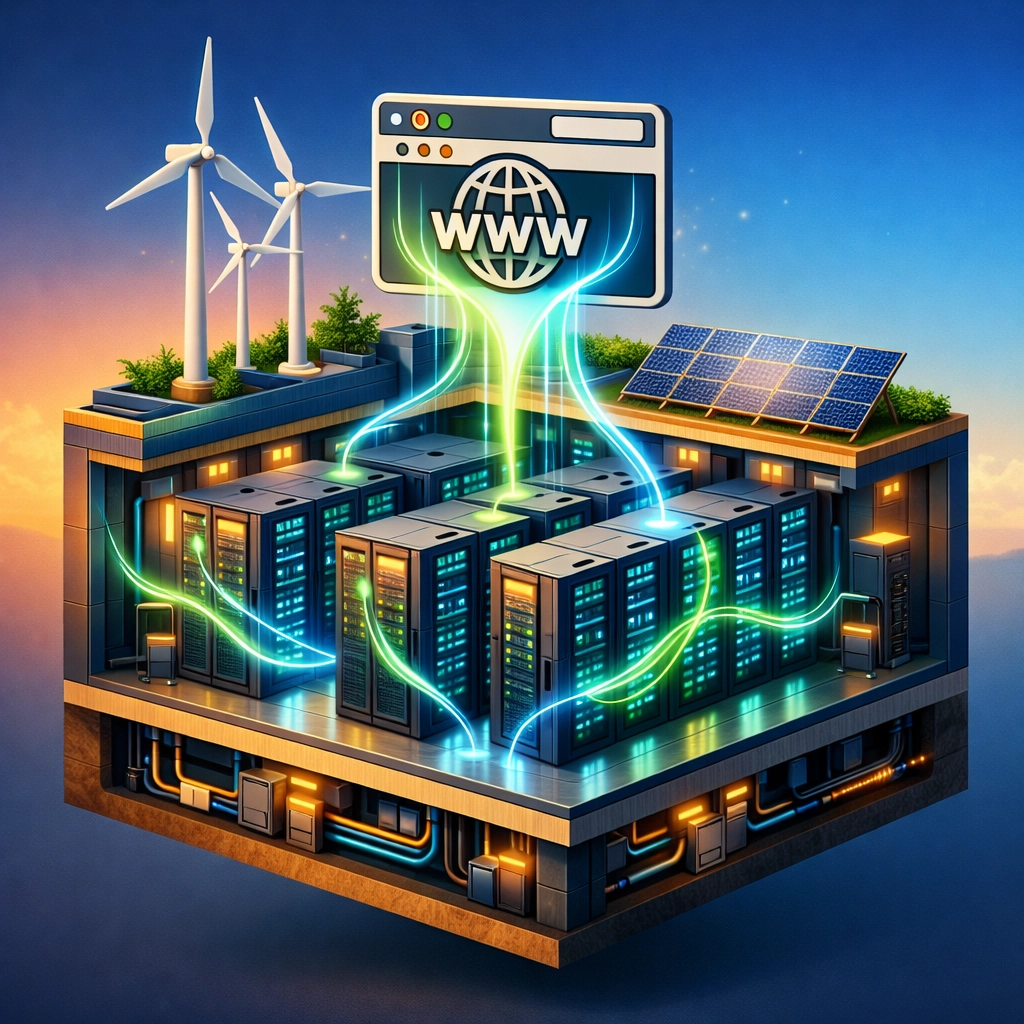
Your hosting choice matters: a lot. Traditional data centers consume massive amounts of electricity, often from non-renewable sources. Green hosting providers run their servers on wind, solar, or other renewable energy, dramatically reducing your website’s carbon footprint.
The good news? Green hosting isn’t more expensive anymore. Providers like GreenGeeks, Kinsta, and others offer competitive pricing while powering their infrastructure sustainably. For Austin startups, this is an easy switch that aligns your digital presence with local values.
Simplified User Journeys
Here’s something most people miss: the longer someone spends navigating your website looking for basic information, the more energy they consume. Sustainable design means creating intuitive user experiences that get people where they need to go quickly.
Clear navigation, strategic calls-to-action, and content organized around user intent: these aren’t just UX principles. They’re sustainability practices. When your website respects people’s time and energy, it literally uses less energy.
The Business Case Is Clear
Let’s bring this back to what really matters: growing your Austin startup.
Sustainable web design isn’t a sacrifice. It’s not choosing between your values and your bottom line. It’s recognizing that in 2026, the best-performing websites are also the most sustainable ones.
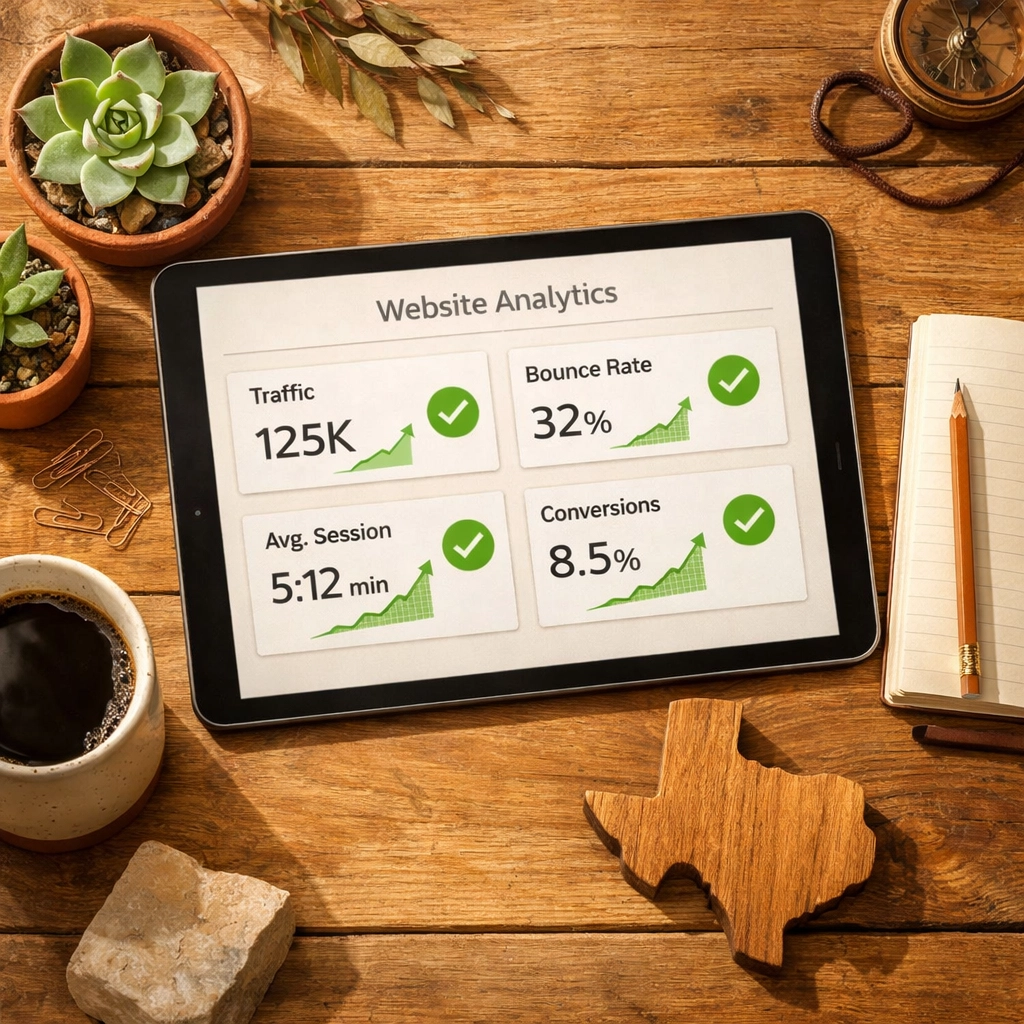
You get faster load times, which improve conversions. You get better SEO visibility as Google rewards performance. You get brand alignment with Austin’s culture, which builds customer loyalty. And you sleep better knowing your digital presence isn’t actively harming the planet.
Plus, there’s a competitive angle here. While your competitors are still running bloated WordPress sites on bargain hosting, you’re building something lean, fast, and forward-thinking. That difference shows up in your metrics, your search rankings, and your customer perception.
Getting Started Is Easier Than You Think
If you’re reading this thinking, “My website probably isn’t sustainable,” you’re not alone. Most websites built even a few years ago weren’t designed with these principles in mind.
The good news? You don’t need to start from scratch. A website audit can identify the biggest opportunities: oversized images, inefficient code, poor hosting: and prioritize fixes that deliver immediate impact.
Whether you’re building a new site or optimizing an existing one, sustainable web design is within reach. It’s about making intentional choices at every stage of the process, from the hosting provider you select to the way you structure your content.
Austin startups are leading this movement because it’s in our DNA. We’ve always believed that doing good and doing well aren’t mutually exclusive. Your website should reflect that.
Ready to build something that’s fast, sustainable, and distinctly Austin? Let’s talk about creating a web presence that matches your values: and grows your business.