You’ve probably felt it before, that nagging sense that your website is just a digital brochure gathering dust in a corner of the internet. You put it out there, hoping the right people find it, but it treats every single visitor exactly the same. Whether it’s a loyal customer who has been with you for years or someone who just stumbled upon your link from a local search, they see the same headline, the same images, and the same generic "Contact Us" button.
In 2026, the era of the "one-size-fits-all" website is officially over.
For a long time, high-level personalization was a playground reserved for tech giants with massive budgets. But things have shifted. Now, small business web design is undergoing a quiet revolution. We’re moving away from static pages and toward dynamic experiences that actually listen to what your visitors need. At Smallworks Web Design, I’ve seen how this shift transforms a site from a passive expense into a 24/7 marketing machine that works specifically for your unique audience.
What Does Personalization Actually Mean in 2026?
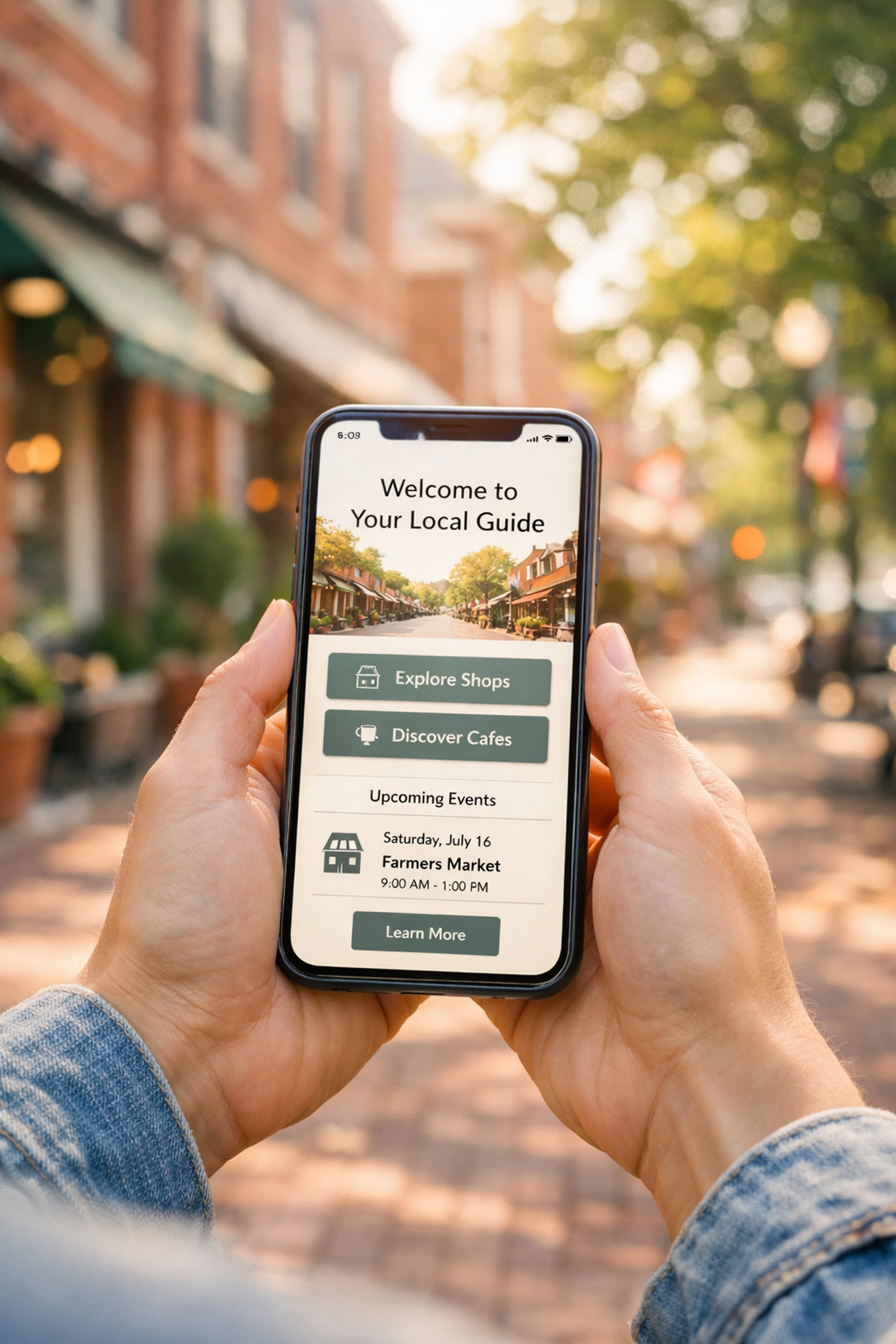
When we talk about personalization today, we aren’t just talking about a "Hello, [Name]" tag in an email. We’re talking about AI-powered experiences that adapt in real-time. Imagine a visitor landing on your site. The website recognizes they are browsing from a mobile device while standing just two blocks away from your physical location. Instead of a generic "Learn More" hero section, the site automatically shows them a "Get Directions" button and your current wait time.
This is personalization at scale. It’s about creating a tailored user experience that feels intuitive rather than invasive. In 2026, your website can adjust its messaging based on:
- User Intent: Is the visitor looking for pricing, or are they just researching a problem?
- Geographic Location: Showing local-specific offers or service areas.
- Past Interactions: Recognizing returning visitors and showing them "Where you left off" content.
- Device Context: Optimizing the layout not just for screen size, but for the way someone uses that device (e.g., tap-friendly buttons for mobile users on the go).
Turning Your Website Into a Scalable Revenue Engine
The real magic happens when your website stops being a static document and starts acting like a skilled salesperson. A great salesperson doesn’t give the same pitch to every person who walks through the door; they listen, they observe, and they pivot.
By implementing smart web design services, you allow your site to perform that same pivot. When a website understands a user's intent, the friction of the buying process disappears. If a visitor has visited your "Service A" page three times in the last week, your homepage should probably highlight a case study or a discount related to "Service A" the next time they arrive.
This level of relevance is why personalization is becoming the backbone of high-converting WordPress website design. It makes the user feel understood. When a customer feels like a business "gets" them, the trust barrier drops, and conversion rates climb. You aren't just selling a service; you're providing a solution that feels custom-built for their specific moment.
The Impact on Local SEO and Visibility
Personalization isn't just about what happens once someone is on your site; it’s deeply connected to how they find you in the first place. In 2026, "Search Everywhere Optimization" means your brand needs to be visible beyond just the Google search bar.
When your site is optimized for personalized experiences, it often signals to search engines that your content is highly relevant. Local SEO services now prioritize sites that provide high-value, specific interactions. If your website is delivering tailored content that keeps users engaged longer, your "bounce rate" drops and your authority rises.

Furthermore, as AI search engines (like Perplexity or Gemini) become the primary way people find local businesses, they look for sites that offer clear, structured, and contextually relevant information. A personalized small business web design structure helps these AI agents understand exactly who you serve and where you provide the most value, fueling your SEO services for small business strategy.
The "Basics First" Rule: Why You Might Not Need AI Yet
I want to be honest with you: because as a small business owner, your budget is precious. While personalization is the future, it isn’t always the immediate priority for every single brand.
If your current website takes five seconds to load, has broken links, or looks like it was designed in 2015, adding AI personalization is like putting a racing engine in a car with no wheels. You’re not going anywhere fast.
Before you dive into complex behavioral tracking, you need to ensure your foundation is rock solid. This includes:
- Speed and Performance: Your site needs to be lightning-fast.
- Mobile-First Design: It has to work perfectly on a thumb-driven interface.
- Clear Messaging: If I can’t tell what you do in five seconds, personalization won’t save you.
- Accessibility: Your site must be usable for everyone, regardless of their physical abilities.
If you aren't sure where your site stands, it might be time for a website redesign rather than a high-tech patch. I often tell clients to check out my guide on whether a redesign is worth it before making the leap into advanced automation.
How Smallworks Approaches Personalization
At Smallworks Web Design, my goal is to make these "big company" tools accessible for local shops and service providers. I focus on minimalist layouts and clean code that allow for flexibility without the bloat.
We use WordPress website design because of its incredible ecosystem. With the right setup, we can implement "conditional logic" on your site. This means we can set rules: "If a visitor comes from Facebook, show them the 'New Client' welcome banner." Or, "If a visitor is in a 20-mile radius, highlight our 'Local Delivery' option."
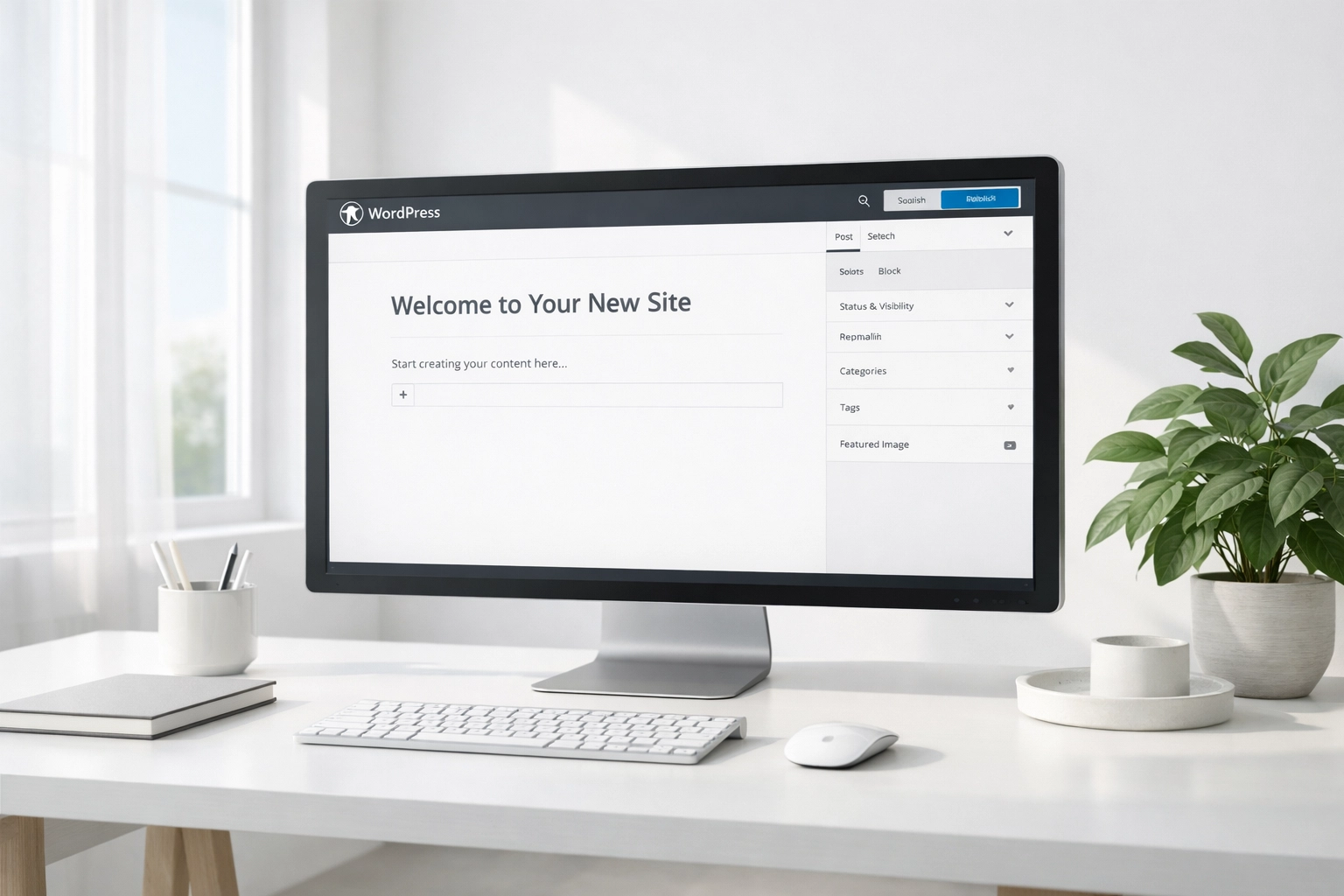
This doesn't require a team of developers. It requires a thoughtful strategy and consistent website maintenance to ensure everything stays updated and secure. We treat your website as a living organism that grows alongside your business.
Privacy-First: Building Trust in a Data-Driven World
One of the biggest hurdles for personalization in 2026 is trust. People are more aware of their data than ever before. To succeed, your personalization must be privacy-first.
This means being transparent about why you’re tailoring the experience. It means using first-party data (information the user willingly gives you) rather than invasive third-party tracking. When a visitor sees that your site is helpful without being "creepy," they are far more likely to engage. A friendly, transparent approach to data is actually a competitive advantage for small businesses who can offer a more human touch than a faceless corporation.
Looking Ahead: The Future is Conversational
As we move further into 2026, personalization will likely move toward more conversational interfaces. We aren't just talking about chatbots that give canned answers. We’re talking about site layouts that change based on a simple conversation.
"Think of" your website not as a series of pages, but as a flexible interface. Imagine a "Search" bar that doesn't just find keywords but actually builds a custom landing page for the user based on their query. That is where we are headed.

Ready to Make It Personal?
The jump from a static site to a personalized one can feel intimidating, but it’s the most effective way to stand out in a crowded digital landscape. You don’t need to do everything at once. You just need to start moving in the right direction.
Whether you need a fresh start with a new website design or you’re looking to boost your visibility with local SEO services, I’m here to help you navigate these changes.
Stop shouting into the void with a generic website. Let’s build something that actually talks to your customers. If you're ready to see how personalization can change your business, feel free to reach out and let’s chat. Your future customers are looking for a connection: let’s make sure your website is the one to provide it.