
You finally did it. You bought the domain, picked a hosting plan, and slapped a “Coming Soon” or a basic template page up on the web. You’re officially “online.” But after a few weeks of staring at your Google Analytics, or worse, your empty inbox, you start to realize something is missing. The phone isn’t ringing, the contact forms aren’t flying in, and your digital presence feels more like a ghost town than a bustling storefront.
It’s a common trap for small business owners. We get told that “being online” is the goal, so we settle for a placeholder. We focus on the technical stuff, like making sure the site doesn’t crash and has a little green padlock in the browser bar, while forgetting the most important part: actually talking to your customers.
The truth is, having a fast, secure website that looks like a generic 2012 blog won’t help you grow. If your site is just a placeholder, you’re essentially paying rent on a store that has no signs, no lights, and no one behind the counter. To actually win in 2026, you need to move beyond simple hosting and embrace a strategy that turns visitors into leads.
Hosting is the Foundation, Not the House
Think of your website like a physical building. Hosting is the plot of land you’re sitting on. Security is the sturdy lock on the front door. Both are absolutely non-negotiable, you can’t have a business without them, but nobody visits a store just because the foundation is solid and the door is locked. They visit because of what’s inside.
Many of our competitors focus heavily on the “technical infrastructure” side of things. They’ll talk your ear off about server uptimes and SSL certificates. And don’t get us wrong, those things matter. If your site is slow, people leave. If your site isn’t secure, Google hides you. But once those boxes are checked, the real work begins.
At Smallworks Web Design, we believe that great web design services are about building the house, decorating the rooms, and making sure the “Open” sign is visible from three blocks away. A strategic design is the difference between a site that merely exists and a site that works.

The Myth of “If You Build It, They Will Come”
There is a dangerous misconception in the small business world that once a website is launched, the traffic will simply appear. This is the digital equivalent of opening a shop in the middle of a desert and wondering why there’s no foot traffic.
This is where SEO services for small business come into play. A strategic design isn’t just about pretty colors and fancy fonts; it’s about building a structure that search engines understand. If your “placeholder” site is just one page with a few photos and a phone number, you’re invisible to the people searching for your services right now.
Strategic design considers Information Architecture. It asks:
- What are people actually searching for?
- How can we organize your content so Google knows exactly what you do?
- How do we make sure your local customers in Round Rock or Austin find you before they find the “big box” competitors?
Without SEO-driven content and a clear hierarchy, your beautiful site is just shouting into the void.
Strategic Design: Reducing Friction and Driving Action
Imagine walking into a grocery store where the milk is in the ceiling, the bread is behind a hidden door, and there’s no checkout counter. You’d leave, right? That’s what a poorly designed website feels like to your customers.
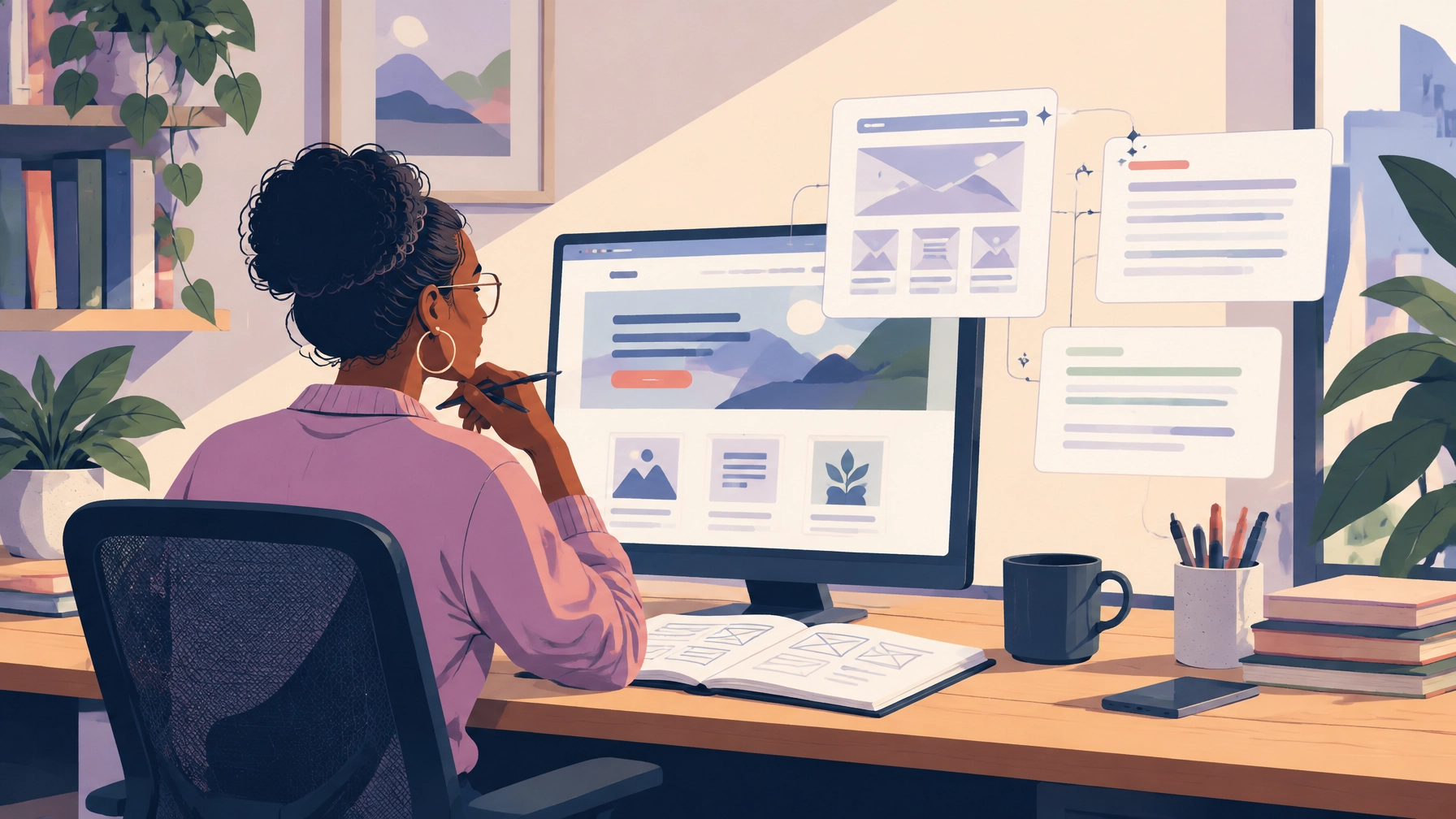
Strategic design is about reducing friction. Every click a user has to make is a chance for them to get frustrated and leave. A placeholder site often uses generic templates that aren’t optimized for your specific business goals. A professional website redesign looks at the “user journey” from start to finish.
1. Intentionality: Every button, every image, and every paragraph should serve a purpose. If it doesn’t help the user solve a problem or move them closer to a purchase, it’s just clutter.
2. Accessibility: Can a user navigate your site using only a keyboard? Is the contrast high enough for someone with visual impairments? Strategic design ensures your site is open to everyone, which, surprise, surprise, Google also happens to love.
3. Conversion Paths: A placeholder says “Contact Us.” A strategic site guides the user. It identifies their pain point, offers a solution, provides social proof, and then makes it ridiculously easy to take the next step.

The Visual Handshake: Building Trust in Three Seconds
You have roughly three seconds to make a first impression online. In those three seconds, a visitor decides if you are a “real” business or a “fly-by-night” operation.
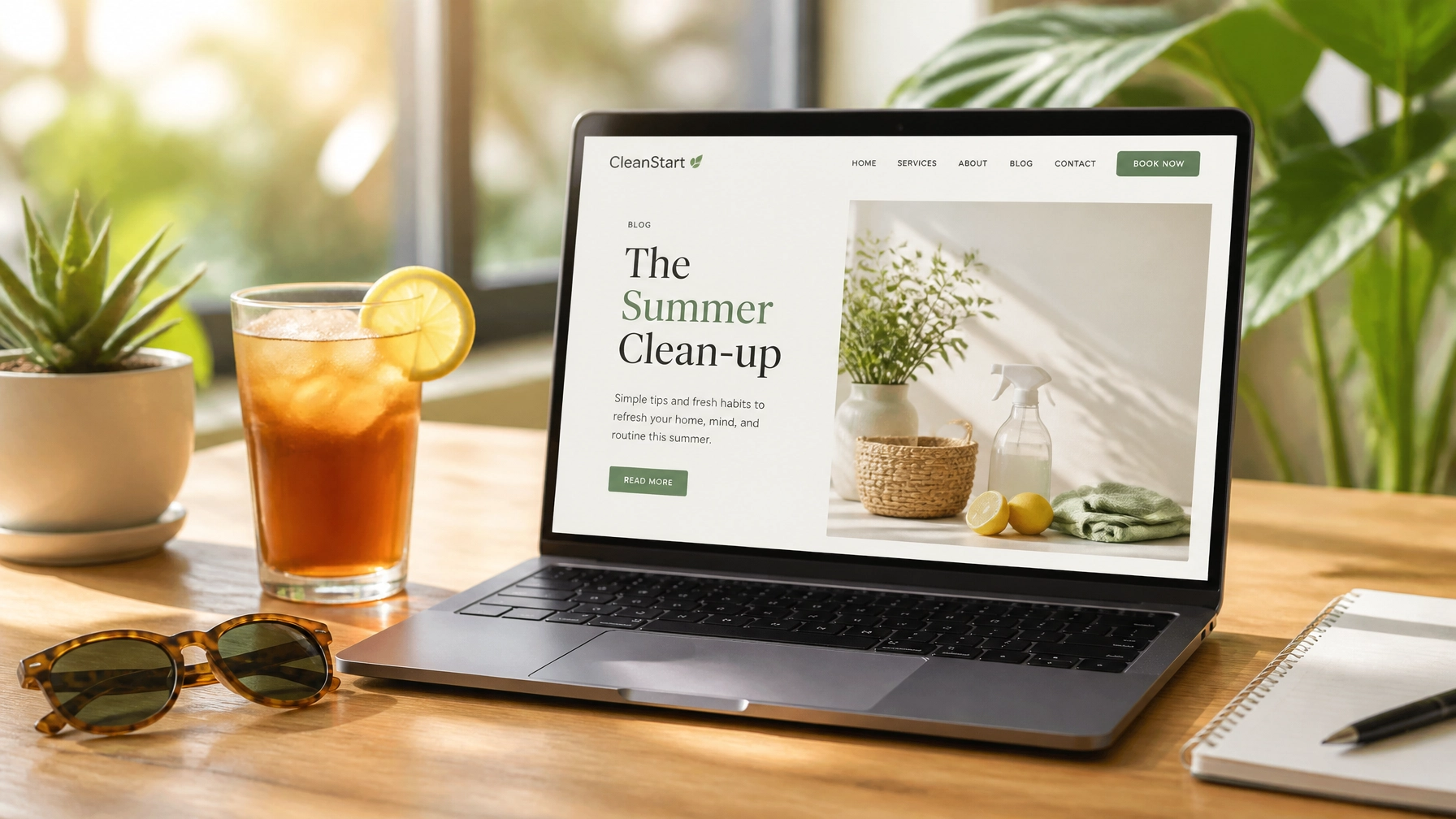
A placeholder site, even one with the most expensive hosting in the world, often looks “cheap.” It feels like a template. It feels impersonal. Strategic design uses cohesive visual systems (typography, color palettes, professional photography) to create a visual handshake. It tells the visitor: “We are pros. We care about details. You can trust us with your money.”
If you’re wondering if your current site is holding you back, check out our thoughts on whether a website redesign is worth it. Hint: if your site looks like it belongs in a different decade, the answer is usually yes.
Maintenance: Keeping the Engine Purring
Let’s go back to the car metaphor. Even the most strategically designed, high-performance vehicle will eventually break down if you never change the oil.
A placeholder site is often “set it and forget it,” which is a recipe for disaster. Links break. Plugins become outdated. Hackers find new vulnerabilities. This is why website maintenance is a core part of a healthy digital strategy. It’s not just about security; it’s about performance.
Ongoing maintenance ensures that your site stays fast and functional as your business grows. It’s the difference between a site that gradually decays and one that compounds in value over time. If you’re curious about what you might be missing, take a look at these 7 common mistakes in website maintenance.

Why “Done” is Never Actually Done
The biggest mistake you can make is thinking of your website as a project with a start and an end date. Your business is dynamic. Your customers’ needs change. The way people search the web evolves (hello, AI search!).
A placeholder is a static object. A strategic website is a 24/7 marketing machine that you constantly tweak and improve. You should be looking at your data, updating your content, and refining your SEO strategy regularly.
Are you targeting the right keywords? Is your landing page actually converting? Could your local SEO be stronger? These are the questions that move the needle. Hosting keeps the lights on, but strategy keeps the customers coming through the door.
Conclusion: Move Beyond the Placeholder
If your current website feels like it’s just taking up space, it’s time for a change. You don’t need a site that just “exists”: you need a site that advocates for your business while you’re asleep.
At Smallworks Web Design, we specialize in taking small businesses from “placeholder” to “powerhouse.” We handle the technical heavy lifting: the hosting, the security, the maintenance: so you can focus on what you do best. But more importantly, we build with intent. We design for results.
Stop settling for a digital business card. Let’s build a tool that actually grows your business.
Ready to level up? Reach out to us today and let’s talk about how to turn your placeholder into your most valuable employee.